

Transforming Enterprise Workflows with Robotic Process Automation
Automating work in companies over the years was associated with scripts that were hard to change and tools that were fragile and collapsed when a screen was altered. The software resembled robots in that it assisted in repetitive work, but was unsuccessful. Such an old model will not work in 2026.
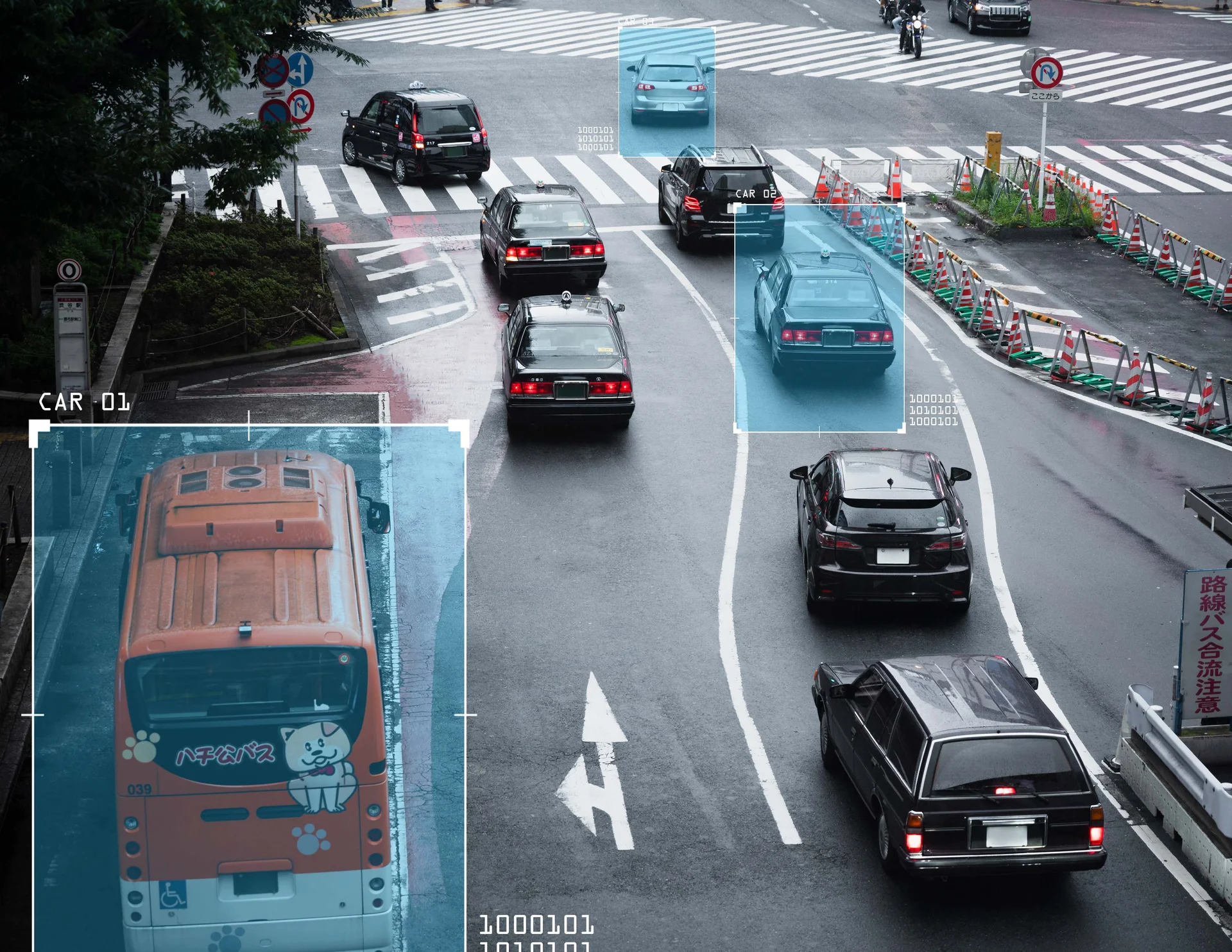
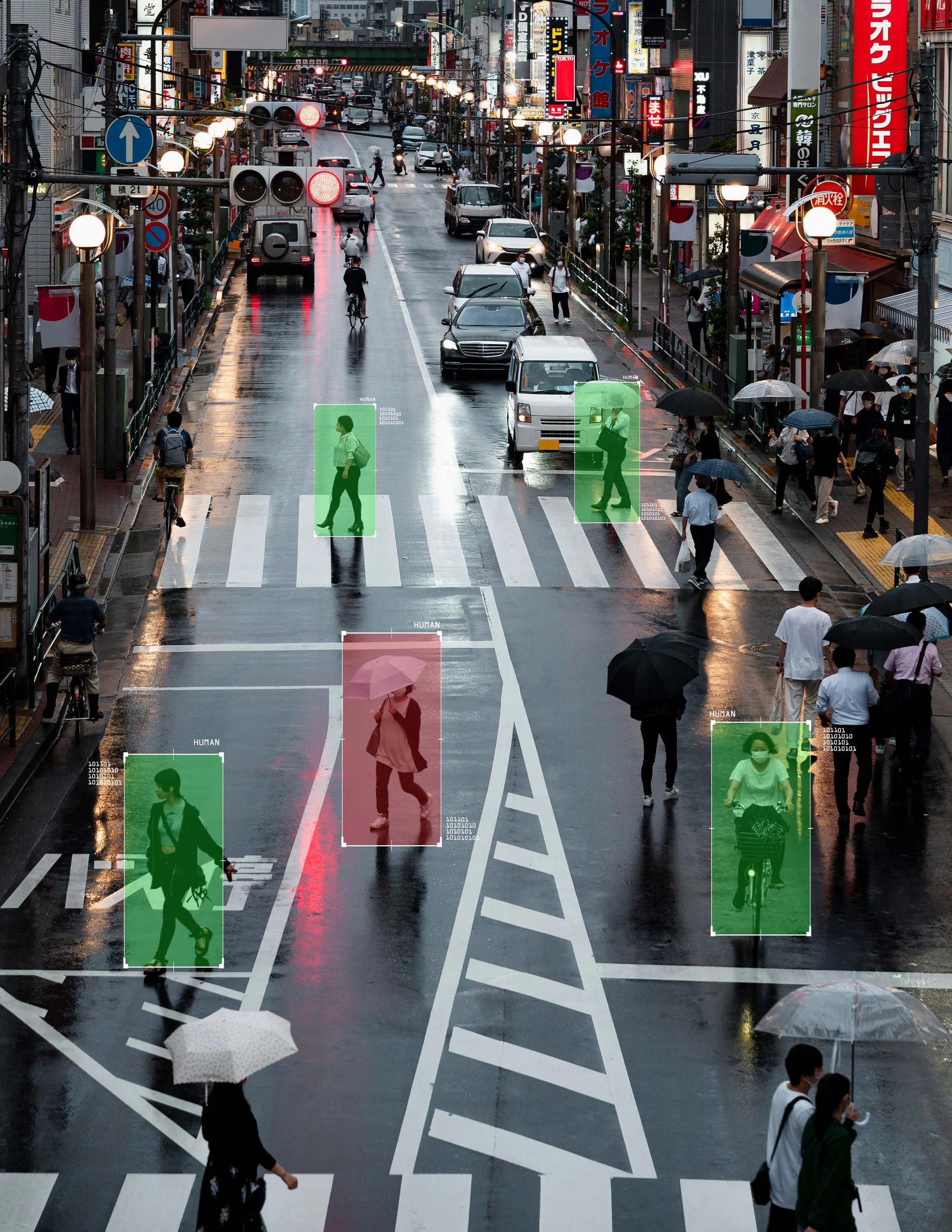
Robot automation has now become smarter. It utilises AI and is able to think, adapt and work where information is not always clean. Current bots are not only duplicating what is on the screen they see, but they also employ the use of Computer Vision, speech, and intelligent thinking as a digital worker. It is now being referred to by many as Agentic Automation. Such bots do not just take steps - they make decisions on what to do within stipulated limits.
The challenge facing several companies is that manual processes and disparate data slow down, introduce risk and halt expansion. People-only processes are unable to support additional assignments, new regulations, and the expectations of customers.
The solution lies in the establishment of one automated system through which bots collaborate with individuals, other applications, and artificial intelligence. RPA connects old and new platforms, as well as human judgment, into one network in this system, making it fast, accurate and reliable.
What is Robotic Process Automation? Defining the 2026 Digital Workforce
The Modern Digital Definition of RPA
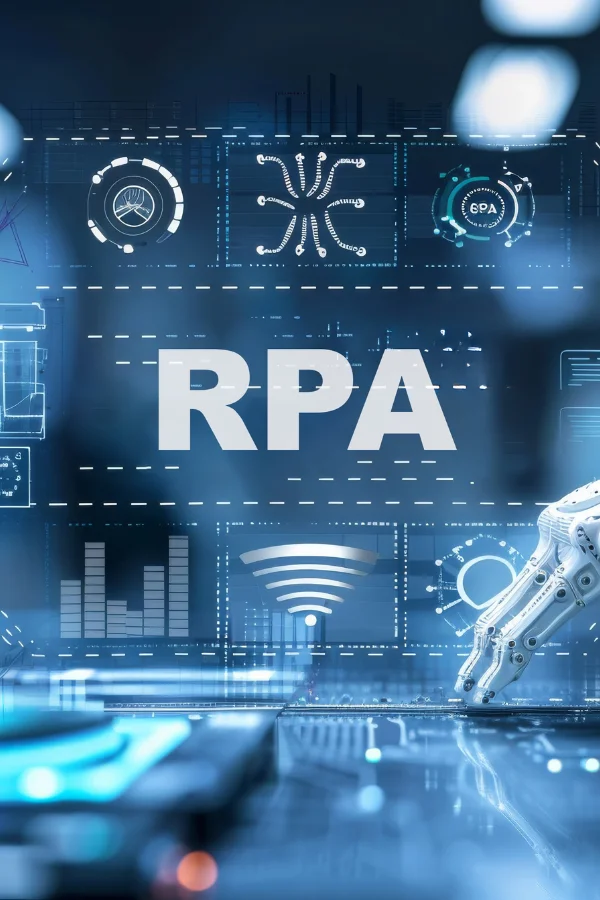
Then, what does robotic process automation look like in the future? RPA allows organisations to establish computer software programs, which are bots that mimic human behaviour within computer systems. These bots press buttons, write data, scan displays and shuffle information just like any person.
RPA does not require system integration or API compared to older automation. Bots operate at the screen level. They will be helpful in older systems that are difficult or costly to upgrade. RPA is the layer that operates the digital workforce in today's companies, executing high-volume, Swivel-chair tasks at a fast pace and with a high level of consistency.
The Difference Between RPA, AI, and Agentic Automation
One has to understand the distinction. RPA does the hands‑on work. The AI is the brain that reads language, identifies patterns and predicts. The two are related to agentic automation.
In 2026, the decisions about what should be done are made by AI agents, and RPA instructs the system about it. This allows automated workflows, which are complex and partially structured, to be automated - this was impossible.
Attended vs. Unattended Bots: Choosing Your Model
Attended bots assist employees in real time, beginning when a user requests it. Unattended bots can operate independently in the background and 24/7 on the servers in order to process data, reconcile records, or perform batch jobs. Two main businesses use both of them based on the requirements.
Read more details : https://www.fivesdigital.com/data-management/offerings/
The Strategic Benefits of Robotic Process Automation for Enterprises
Dramatic Operational Cost Reduction
One of them is cost efficiency. Automated processes incur labour costs, which are typically reduced by 30-50% at the companies. Bots complete work in less time than human beings, they do not have to work overtime, and prevent the expenses incurred due to mistakes.
Eradicating Human Error in Compliance and Finance
Human errors occur when payroll, taxes or reporting are done by human beings. RPA is always strict and available at a rate of almost 100% accuracy. This minimises risk, audit results, and money errors which occur in manual work.
Scaling Without Headcount Expansion
In cases of high demand, firms recruit temporary workers. RPA allows firms to expand at any given time. Bots are able to process invoices at the end of the year or during peak seasons with large order volumes without necessarily having to hire additional individuals.
Human Capital Optimization
RPA will eliminate swivel-chair processes that frustrate the movement of data. The employees are then able to concentrate on strategy, analysis and creativity. Process leaders receive time to accelerate working processes, better customer experience, and promote new ideas rather than operate the same routine.
Selecting the Right Robotic Process Automation Software and Services
Core Features of Enterprise-Grade RPA Platforms
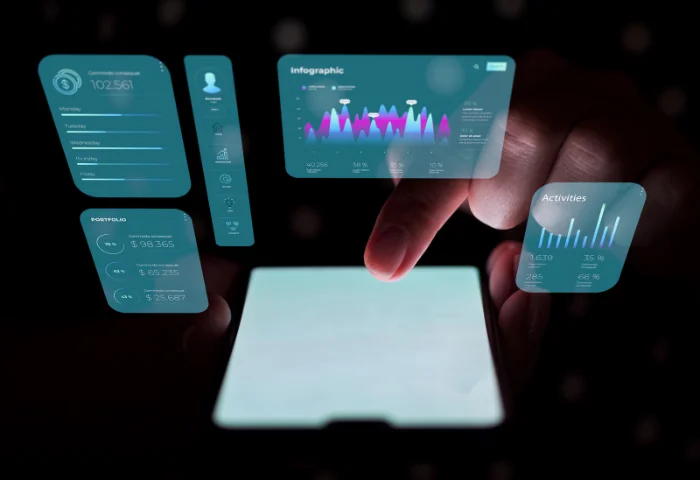
The characteristics of the RPA software to select when selecting it include paying attention to platforms that allow you to create with low-code or no-code quickly. Good platforms also have Computer Vision as a way of managing changing screens and built-in AI to make smart decisions. They are also expected to provide process mining to identify automation opportunities based on actual data and not assumptions.
The Role of Specialised Robotic Process Automation Services
With the increase in RPA programs, there is an increase in the need for governance. A large number of companies establish a Centre of Excellence (CoE) to establish standards, oversee bots, implement security, and make all departments adhere to it.
Managed RPA vs. In-House Implementation
A full-time department offers control with the requirement of constant learning, tools, and maintenance. Managed RPA gives quicker results, dependable charges and professional support. A combination of the two is the most appropriate compromise, as it provides the most speed and control to many.
Top Use Cases for RPA Across Regulated Industries
Finance & Accounting
Month-end close, invoice, expense checks, and accounts payable are all performed using RPA. Bots will compare information in accounting systems, bank platforms, and reports, accelerating the work of finance and making it more accurate.
Healthcare & Life Sciences
RPA is used in the healthcare industry to help with patient check-in, schedule appointments, and work on claims. Robots that have been constructed in compliance with HIPAA regulations deal with confidential information in a secure manner, which reduces the amount of work, leaving clinical personnel to provide care.
Supply Chain & Logistics
RPA serves as a so-called night shift for supply chain teams. It corrects the inventory, shipping history, and orders automatically. This provides real-time updates and speedier corrections without having to have people available.
Are you willing to automate your business?
Fives Digital assists in transforming manual work to efficient digital work. You need RPA consulting, a Center of Excellence, or automated services run by professionals - our specialists will be able to create a robust digital workforce!
Begin with Fives Digital automation today!