

The healthcare industry is rapidly evolving as digital transformation reshapes how patients interact with healthcare providers. Today’s patients expect quick responses, easy appointment scheduling, digital consultations, and 24/7 access to healthcare information. However, hospitals and healthcare facilities often struggle to meet these expectations due to staff shortages, administrative workload, and increasing operational costs.
This is where chatbot development services are playing a transformative role. AI-powered chatbots help healthcare organizations automate patient communication and improve overall patient experience.
What are Chatbot Development Services?
Below are the key components and types of chatbot solutions used in healthcare organizations.
Defining the Scope of Development
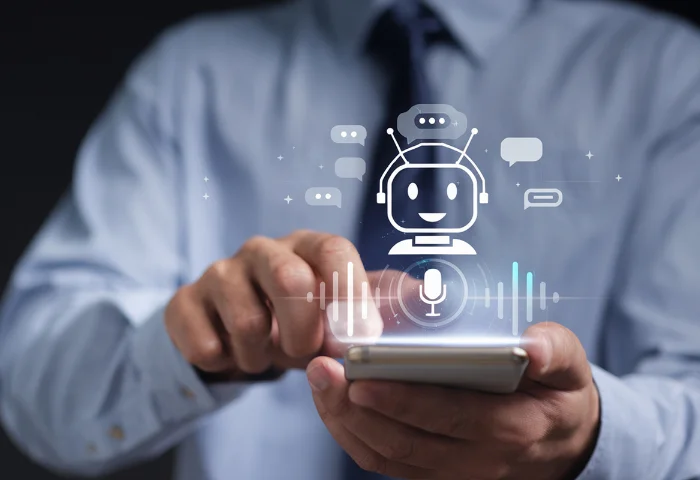
Chatbot development services refer to the process of designing, developing, and deploying AI-powered software that can simulate human conversations through text or voice interactions. These chatbots use artificial intelligence, natural language processing (NLP), and machine learning to understand user queries and provide relevant responses in real time.
In healthcare, chatbots can be integrated into websites, mobile applications, patient portals, and messaging platforms. They are designed to automate repetitive tasks such as answering frequently asked questions, booking appointments, collecting patient information, sending reminders, and assisting with billing queries. By automating these tasks, healthcare providers can significantly reduce administrative workload and improve operational efficiency.
Additionally, chatbot systems can integrate with hospital databases, Electronic Health Records (EHR), and telehealth platforms, making them a powerful tool for digital healthcare transformation.
Types of Healthcare Chatbots
There are different types of medical chatbots designed for various healthcare use cases. Understanding these types helps healthcare organizations choose the right chatbot solution.
Informational Chatbots are designed to provide general healthcare information such as symptoms, hospital timings, doctor availability, and frequently asked questions. These chatbots reduce the workload on front-desk staff by handling common patient queries.
Transactional Chatbots help patients perform actions such as booking appointments, rescheduling visits, paying bills, checking insurance coverage, and requesting prescription refills. These chatbots improve efficiency and reduce manual administrative work.
AI-Based Healthcare Chatbots use natural language processing and machine learning to provide personalized health advice, reminders for medication, and basic symptom assessment. These advanced chatbots are part of the growing healthcare AI ecosystem and are transforming patient engagement.
Why Healthcare Needs Professional Chatbot Services
Healthcare organizations are increasingly adopting chatbot services because of rising patient expectations and the need for digital transformation.
Firstly, patient expectations have changed significantly. Modern patients expect instant responses, digital communication, and mobile-friendly healthcare services. Waiting on phone calls for simple queries is no longer acceptable for many patients. Chatbots provide instant responses and improve patient satisfaction.
Secondly, administrative workload in hospitals is extremely high. Staff members spend a large amount of time handling appointment bookings, patient queries, billing questions, and follow-up reminders. By implementing chatbot development services, healthcare organizations can automate these tasks and allow medical staff to focus on patient care.
Thirdly, chatbots improve data accuracy and documentation. Manual data entry often leads to errors, missing information, or incorrect records. Chatbots collect patient information in a structured format and improve healthcare data management.
Key Use Cases of Chatbots in Healthcare
Below are some of the most important and practical applications of chatbot development services in the healthcare industry.
Automated Appointment Scheduling
One of the most common and valuable use cases of medical chatbots is automated appointment scheduling. Traditionally, patients had to call hospitals, wait on hold, and speak with administrative staff to book appointments. This process was time-consuming for both patients and hospital staff.
With chatbot integration, patients can book appointments instantly through a website, mobile app, or messaging platform. The chatbot checks doctor availability, suggests available time slots, confirms bookings, and sends reminders before the appointment. Patients can also reschedule or cancel appointments without needing to call the hospital.
24/7 Patient Support & Symptom Assessment
Healthcare chatbots provide 24/7 patient support, which is extremely important because health concerns can arise at any time. Patients often have questions about symptoms, medications, post-treatment care, or hospital procedures outside of working hours.
AI-powered chatbots can answer frequently asked questions, guide patients about basic symptoms, and suggest whether they should visit a doctor, schedule a consultation, or seek emergency care. These chatbots use predefined medical protocols and decision trees to provide safe and structured responses.
This continuous availability improves patient satisfaction and reduces the number of non-emergency hospital visits. At the same time, it allows healthcare providers to focus their resources on critical cases rather than routine queries.
Patient Registration and Data Collection
Another important use case of chatbot development in healthcare is patient registration and data collection. Hospitals spend a significant amount of time collecting patient information, medical history, insurance details, and consent forms.
Chatbots can automate this process by collecting patient details before the appointment. Patients can enter their information through a chatbot interface, which then stores the data directly in the hospital management system or Electronic Health Records (EHR).
This reduces paperwork, minimizes data entry errors, and speeds up the patient check-in process. As a result, hospitals can improve operational efficiency and reduce waiting times for patients.
Automated Billing and Insurance Verification
Billing and insurance verification are often complex and confusing for patients. Many patients contact hospitals just to understand their bills, insurance coverage, or payment options.
Healthcare chatbots can help patients check billing details, understand insurance coverage, verify claims, and make online payments. Chatbots can also send payment reminders and provide billing support without requiring human intervention.
By automating billing communication, healthcare organizations can reduce administrative workload, improve payment collection, and enhance patient satisfaction.
Medication Reminders and Follow-Ups
Medication adherence is a major challenge in healthcare. Many patients forget to take medications on time or miss follow-up appointments after treatment.
Chatbots can send automated medication reminders, appointment reminders, and follow-up care instructions. They can also check in with patients after treatment or surgery to monitor recovery and collect feedback about their health condition.
This improves patient engagement, treatment adherence, and overall healthcare outcomes while reducing hospital readmission rates.
Telehealth and Virtual Consultation Support
Telehealth services have grown significantly, and chatbots play an important role in virtual consultations. Chatbots act as the first point of contact in telehealth systems.
Before a virtual consultation, the chatbot collects patient symptoms, medical history, and reason for consultation. This information is then shared with the doctor before the appointment, saving time during the consultation.
Chatbots can also share consultation links, send reminders, collect feedback after consultations, and provide post-consultation care instructions. This makes telehealth services more efficient and organized.
Internal Support for Hospital Staff
Chatbots are not only useful for patients but also for hospital staff. Internal chatbots can help staff access hospital policies, HR information, shift schedules, training materials, and internal announcements.
This reduces the workload on HR and administrative departments and improves internal communication within healthcare organizations.
Benefits of Chatbot Development in Healthcare
Below are the major advantages of implementing chatbot development services in healthcare organizations.
Scalability
One of the biggest advantages of chatbot development in healthcare is scalability. Healthcare organizations often receive a large number of patient queries related to appointments, reports, billing, symptoms, and general information. Handling all these queries manually requires a large support team and significant operational resources.
However, chatbots can handle thousands of patient conversations simultaneously without increasing staff or infrastructure costs. Whether a hospital receives 100 queries or 10,000 queries, chatbot systems can manage the workload efficiently without delays or performance issues. This makes chatbot solutions highly scalable for hospitals, clinics, telehealth platforms, and healthcare service providers.
Cost Efficiency
Another major benefit of chatbot development services is cost efficiency. Traditional patient support systems require call center agents, administrative staff, and customer support teams to handle patient queries. Hiring, training, and managing support teams can be expensive for healthcare organizations.
Chatbots significantly reduce the cost per interaction compared to live agents because they automate repetitive tasks such as appointment booking, answering FAQs, billing queries, reminders, and patient registration. This reduces the need for large support teams and lowers operational costs.
Over time, chatbot implementation provides a strong return on investment by improving efficiency, reducing manual workload, and lowering administrative expenses. Therefore, chatbot solutions are considered a cost-effective digital transformation tool for healthcare organizations.
Patient Privacy & Compliance
Patient data security is extremely important in the healthcare industry. Healthcare organizations must comply with strict data protection regulations such as HIPAA and GDPR to ensure patient data privacy and confidentiality.
Professional chatbot development services ensure that chatbot systems are built with secure architecture, encrypted communication, secure databases, and strict access control systems. These security measures ensure that patient interactions remain confidential and compliant with healthcare data regulations.
Secure chatbot systems also maintain audit logs, authentication protocols, and data protection policies, which help healthcare organizations maintain compliance and build patient trust. As a result, healthcare providers can automate patient communication while ensuring data privacy and regulatory compliance.
Comparison Table – Chatbots vs Traditional Support
Feature
AI Bots
Traditional Support
Availability
24/7
Office Hours
Response Time
Instant
Minutes to Hours
Scalability
Unlimited
Limited
Accuracy
Consistent
Human Error
Cost
Low
High
How Chatbot Development Services Improve Patient Experience
Below are the strategic benefits of chatbot development services in improving patient experience and engagement.
One of the most significant improvements chatbots bring to healthcare is personalization. Chatbots can analyze patient history, previous appointments, and medical records to provide personalized reminders, health tips, medication alerts, and follow-up recommendations. This level of personalization helps patients feel more connected to their healthcare providers and improves overall patient engagement.
Another important benefit is the reduction of communication delays. Traditionally, patients had to wait on hold to speak with hospital staff for simple queries such as appointment timings, report availability, or billing questions. Chatbots eliminate these delays by providing instant responses. This reduces frustration and improves patient satisfaction significantly.
Chatbots also empower patients to manage their healthcare journey independently. Patients can book appointments, access reports, get reminders, and ask health-related questions directly from their smartphones. This improves patient convenience and encourages proactive healthcare management.
Furthermore, chatbot solutions improve communication consistency. Every patient receives accurate and consistent information, which reduces confusion and improves trust in healthcare services. Over time, this leads to better patient retention and stronger relationships between patients and healthcare providers.
Overcoming Challenges in Healthcare Chatbot Implementation
Below are the common challenges in implementing healthcare chatbots and the strategies to overcome them.
One of the biggest challenges is data privacy and security. Healthcare data is highly sensitive, and any digital solution must comply with strict data protection regulations. Healthcare organizations can overcome this challenge by implementing secure chatbot platforms with end-to-end encryption, secure databases, and strict access control systems.
Another challenge is the accuracy of medical advice provided by chatbots. Chatbots should not replace doctors but support them. The best approach is to implement hybrid chatbot systems where chatbots handle basic queries and administrative tasks, while complex medical cases are transferred to human doctors or medical professionals.
Patient trust is another important challenge. Some patients may not feel comfortable interacting with AI systems. This can be addressed by designing transparent chatbot interfaces that clearly inform users they are interacting with an AI assistant and provide an option to connect with a human agent whenever needed.
Integration with existing hospital systems such as EHR and billing systems can also be challenging. However, professional chatbot development services ensure smooth integration with existing healthcare infrastructure, making implementation easier and more efficient.
Future Trends: The Next Frontier of Healthcare Chatbots
Below are the emerging trends that will define the future of chatbot development services in the healthcare industry.
Voice-Activated Assistants
One of the voice process important future trends in healthcare chatbots is the rise of voice-activated assistants. Instead of typing queries into websites or mobile applications, patients will be able to interact with healthcare chatbots using voice commands. This technology will make healthcare services more accessible, especially for elderly patients, visually impaired users, and patients with disabilities.
Voice-enabled chatbots will allow patients to book appointments, set medication reminders, ask health-related questions, and receive post-treatment instructions without needing to use a keyboard or smartphone interface. This hands-free support will improve accessibility and make healthcare communication easier and more convenient for patients who may not be comfortable using digital platforms.
Predictive Analytics
Another major trend in healthcare AI is predictive analytics. Future healthcare chatbots will not only respond to patient queries but also analyze patient data to predict potential health risks before they become serious.
By analyzing medical history, lifestyle data, wearable device data, and previous health records, AI-powered chatbots will be able to identify patterns that indicate possible health issues. For example, chatbots may detect patterns related to heart rate, sleep cycles, glucose levels, or blood pressure and alert patients or healthcare providers about potential health risks.
This predictive approach will shift healthcare from reactive treatment to preventive care. Instead of treating diseases after they occur, healthcare providers will be able to prevent health issues early through alerts, reminders, and early medical intervention. This will improve patient outcomes and reduce healthcare costs in the long term.
Hyper-Personalization
Hyper-personalization is another major future trend in chatbot development in healthcare. Future chatbots will provide highly personalized healthcare experiences based on patient history, preferences, medical records, and real-time health data.
These chatbots will integrate with wearable devices such as fitness trackers and smartwatches to collect real-time health data such as activity levels, sleep patterns, heart rate, and other health metrics. Based on this data, chatbots will provide personalized health recommendations, medication reminders, diet suggestions, and follow-up reminders.
Hyper-personalized chatbots will improve patient engagement, treatment adherence, and overall healthcare experience. Patients will receive healthcare guidance tailored specifically to their health conditions and lifestyle, making healthcare more proactive and patient-centric.
Conclusion
Artificial intelligence is transforming the healthcare industry by improving communication and enhancing patient experience. From appointment scheduling to patient support and telehealth integration, chatbot development services are redefining how healthcare providers interact with patients.
Ready to transform your patient experience?
Partner with Fives Digital for industry-leading chatbot development services. From custom AI chatbot development to system integration and automation, we help healthcare organizations improve efficiency and deliver better patient care.